
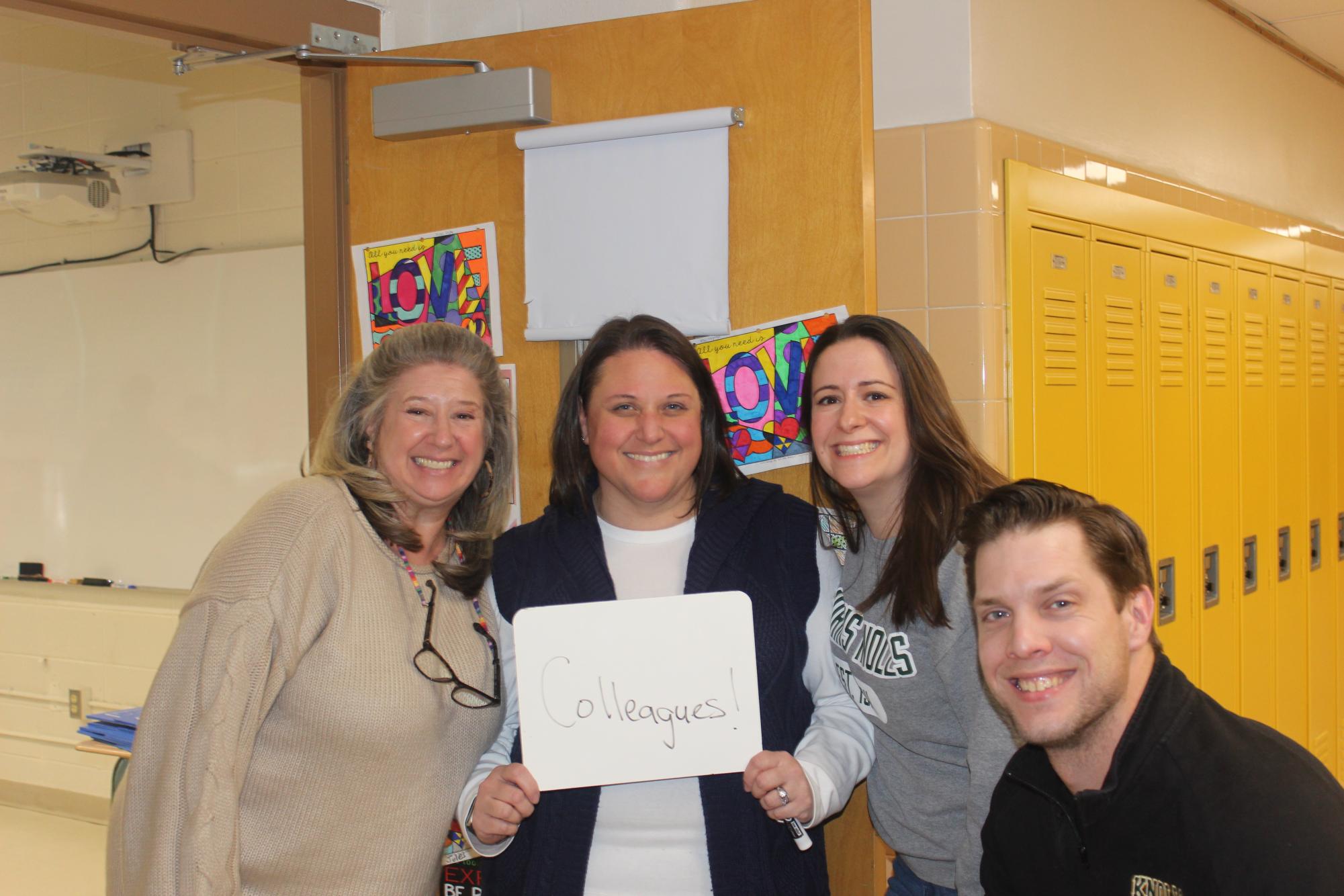
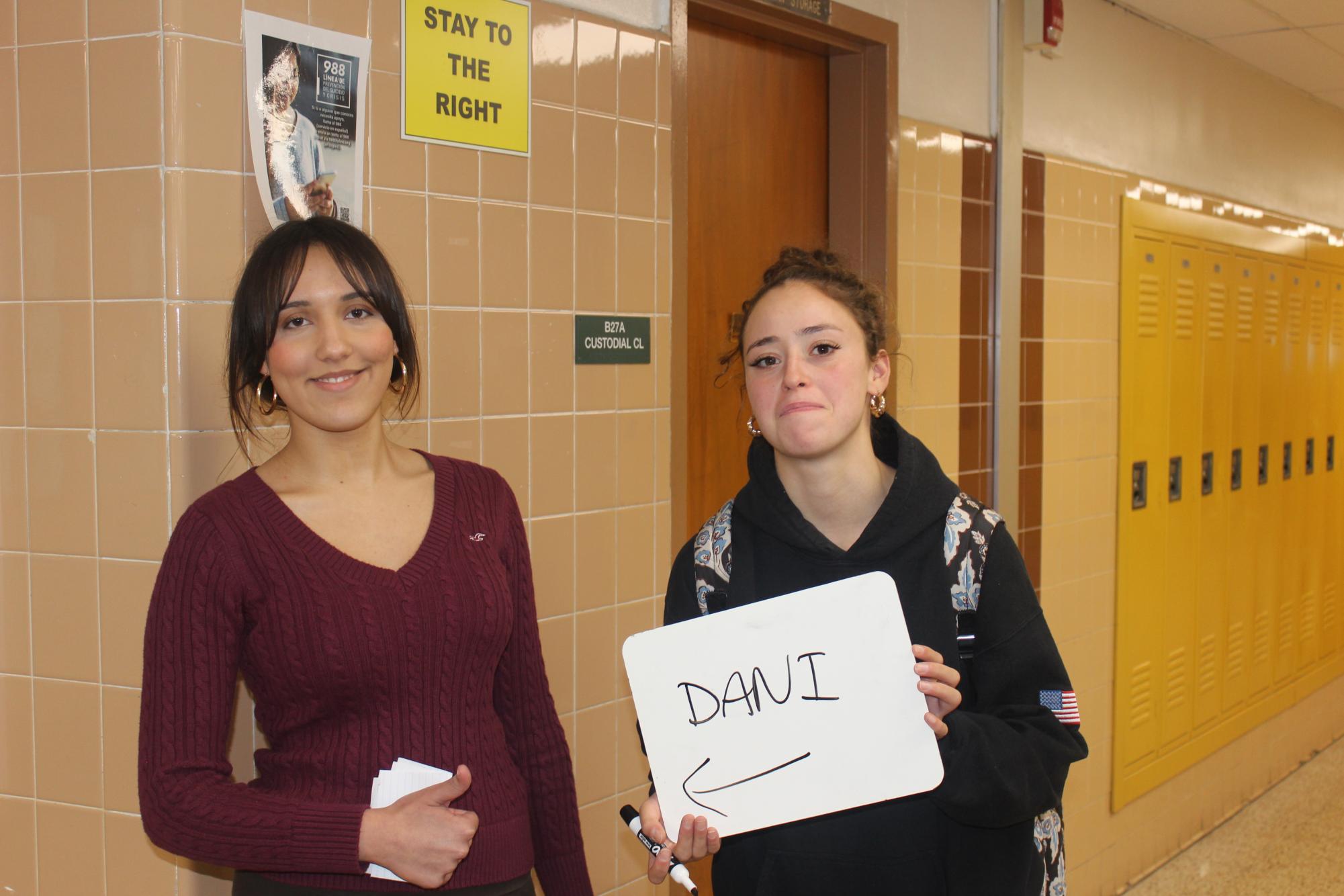
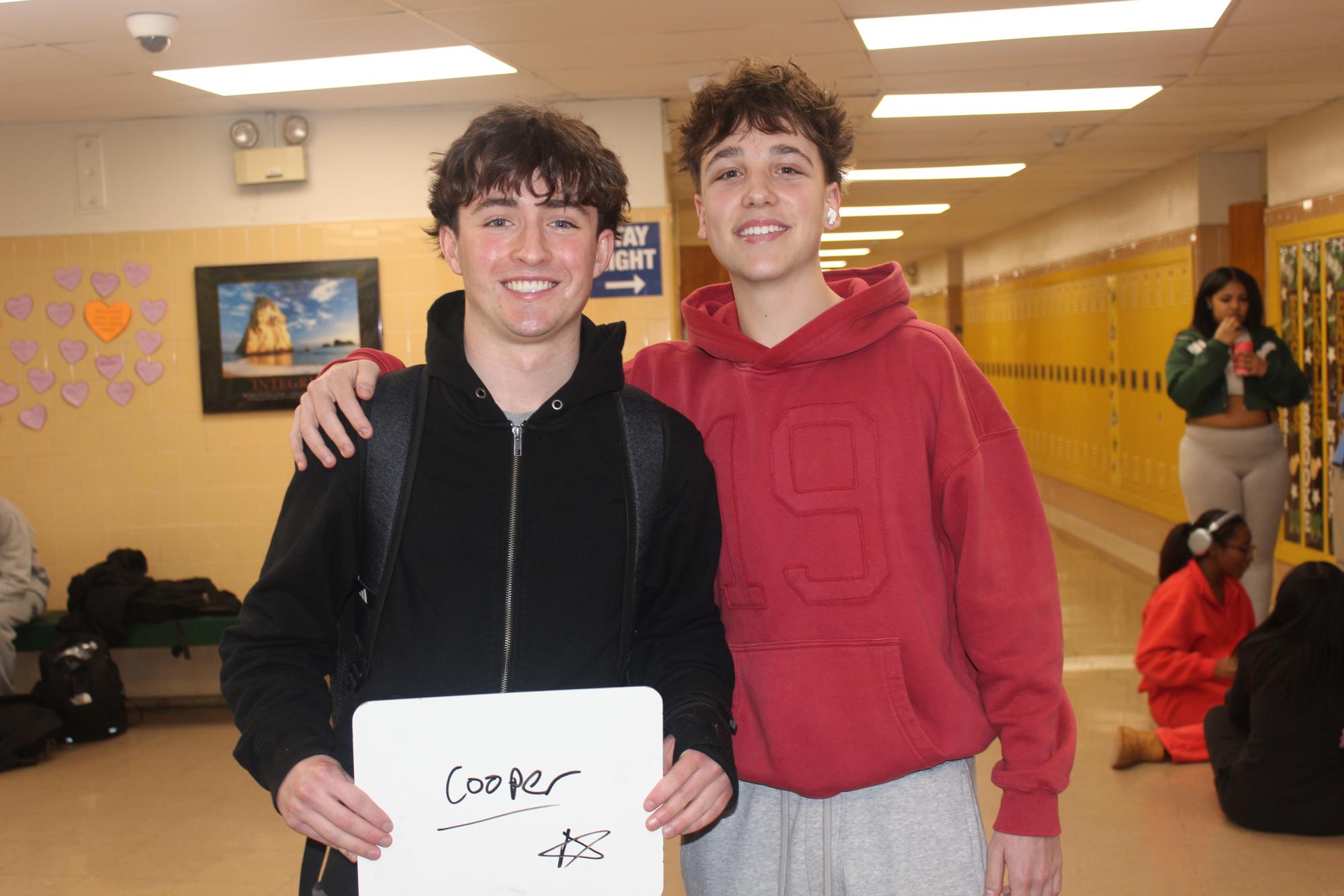
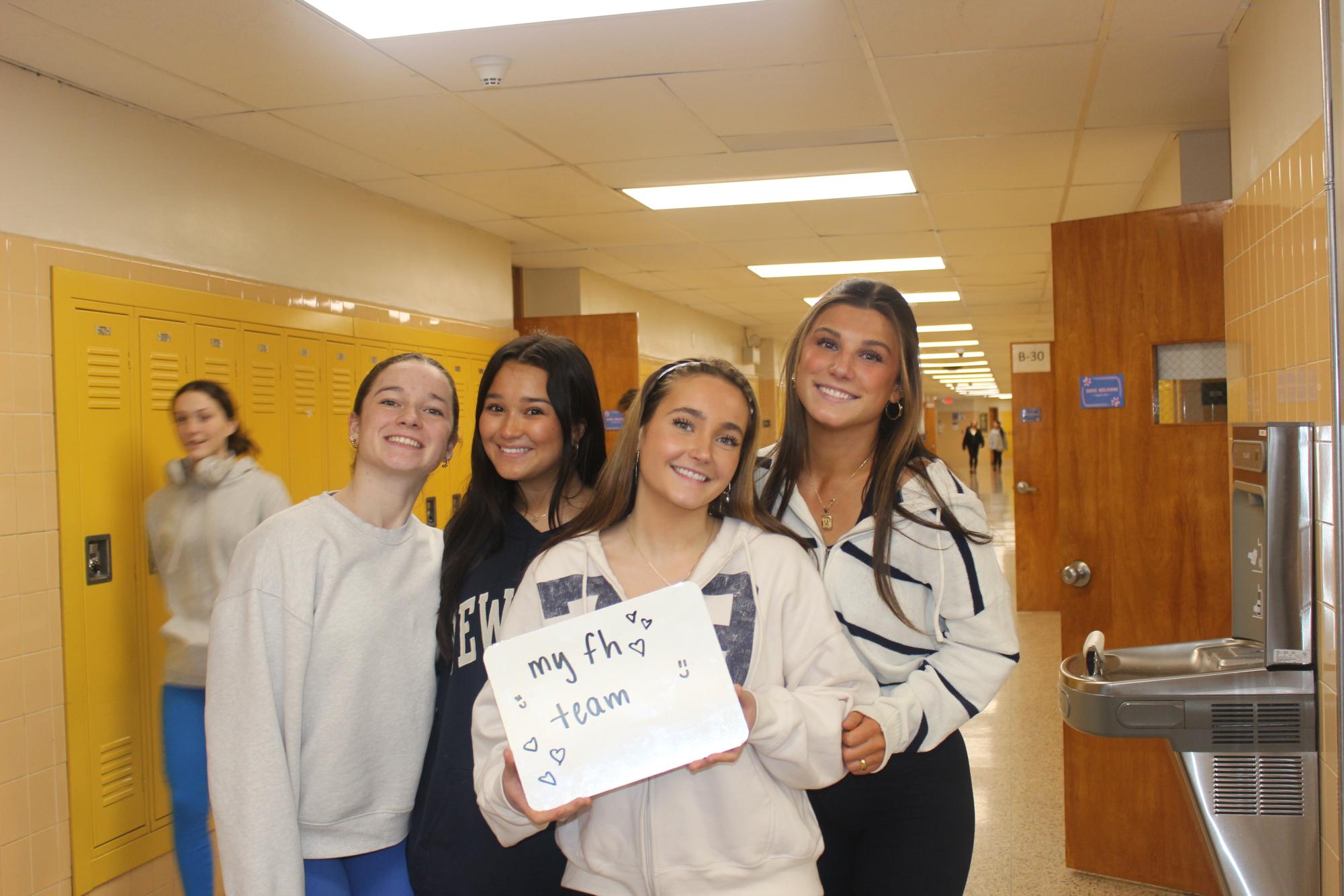



When are people at their happiest and most present? When thinking about this it all roots back to one thing: Gratitude.
Gratitude is all around, but having gratitude is significantly different than actually practicing it. Knowing the simple ways to practice gratitude and the domino effect of positivity they create makes all the difference for well- being and community as a whole.
Simply feeling thankful is just the start. Though feeling gratitude initiates positive practices, it is when one consciously recognizes these feelings that they are applying gratitude. In intentionally doing so, gratitude becomes transformative.
Gratitude can be expressed in countless ways, from appreciating personal aspects of life to thanking someone directly. Whether spoken or written, expressing gratitude becomes more relevant in daily life. This helps positive movement stand out. The act of noticing is key as it highlights aspects of everyday life that most ignore. This shapes perception, and perception leads to shape experiences for the better. This notion directly relates to psychological ideas on attention and a shift for a healthier mind.
Morris Knoll’s engaging AP Psychology teacher, Mr. Hrynyk provides insight into the scientific connection to gratitude. In asking Mr. Hrynyk why it is when we actively look for things to be grateful for we start noticing more of them, he explains, “There are 2 things here that come to mind. One is the Reticular Activation System. Remember that it is the part of the brain that allows us to focus on some things and block others out. When you notice something you are grateful for you will start to notice even more of that because of the RAS.”
This explains theMental Health First Aid site statistic that a single act of thoughtful gratitude produces an immediate 10% increase in happiness.
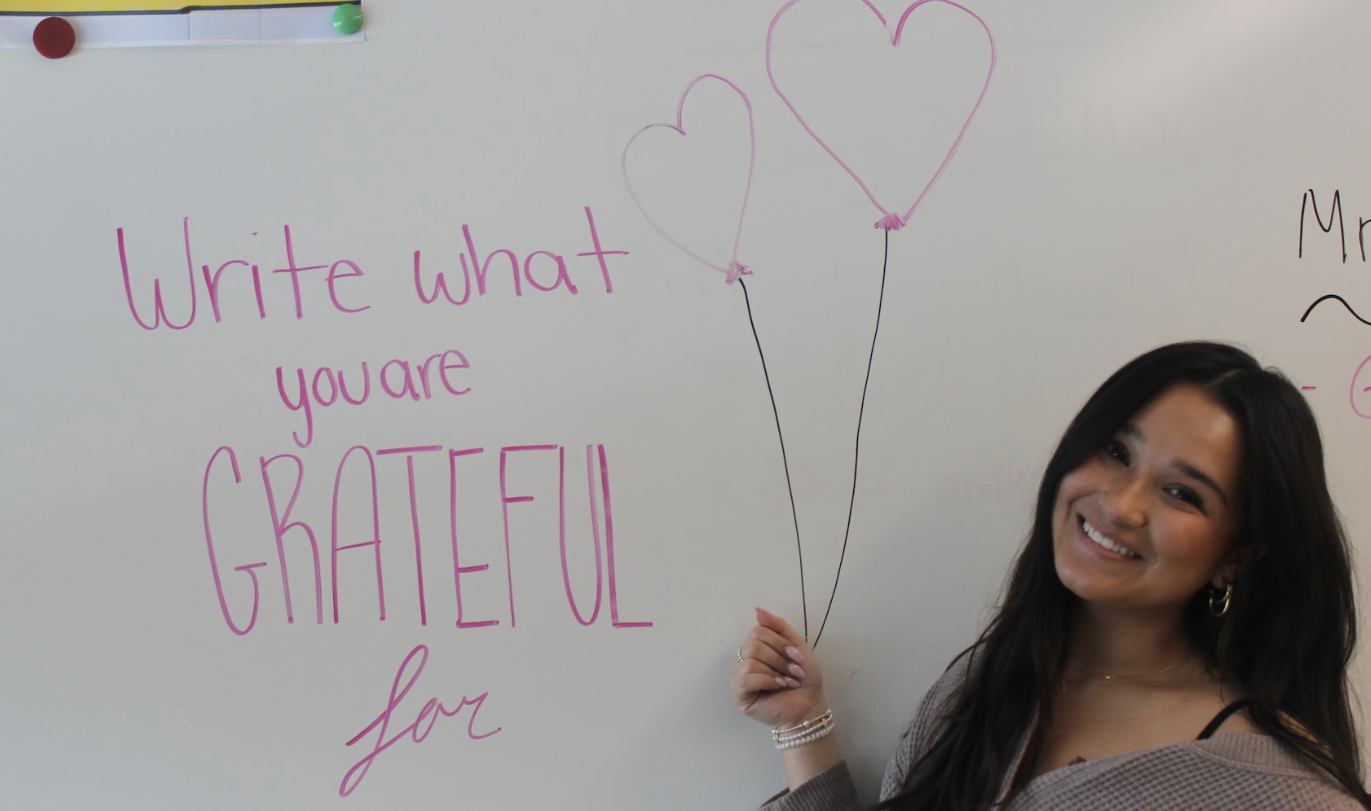
There are various ways to incorporate acts of appreciation in one’s everyday life. For example, gratitude journals, verbal appreciations, thank you cards, and even collaborative gratitude walls.
In talking to Morris Knolls Senior, Sarah Kwock on her favorite ways to recognize the positives she emphasizes, “I enjoy writing down things I am grateful for in my notes app or in my head before I go to sleep.” Her strategy highlights how in today’s media day in age, there are ways to incorporate gratitude simply on devices.
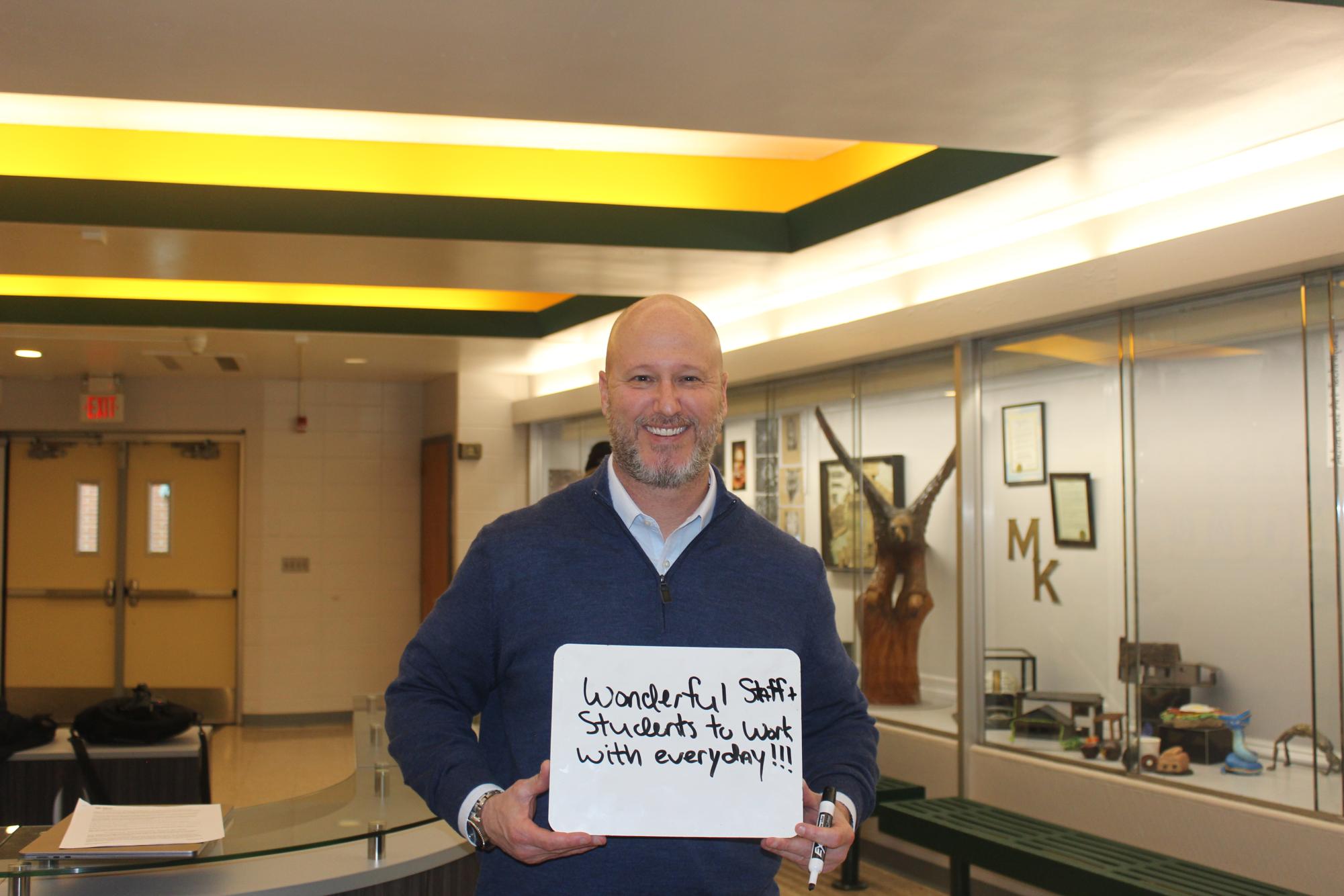
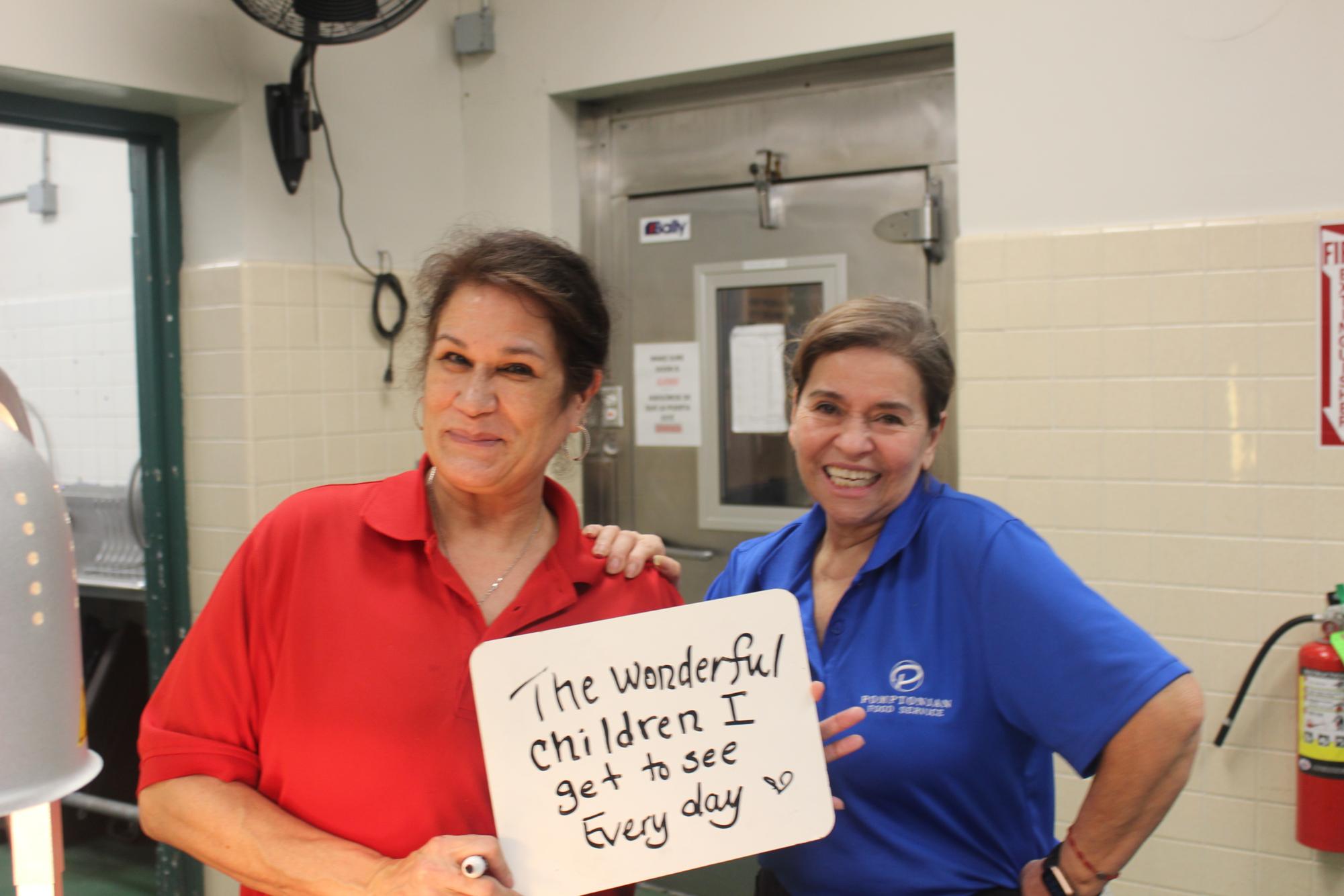
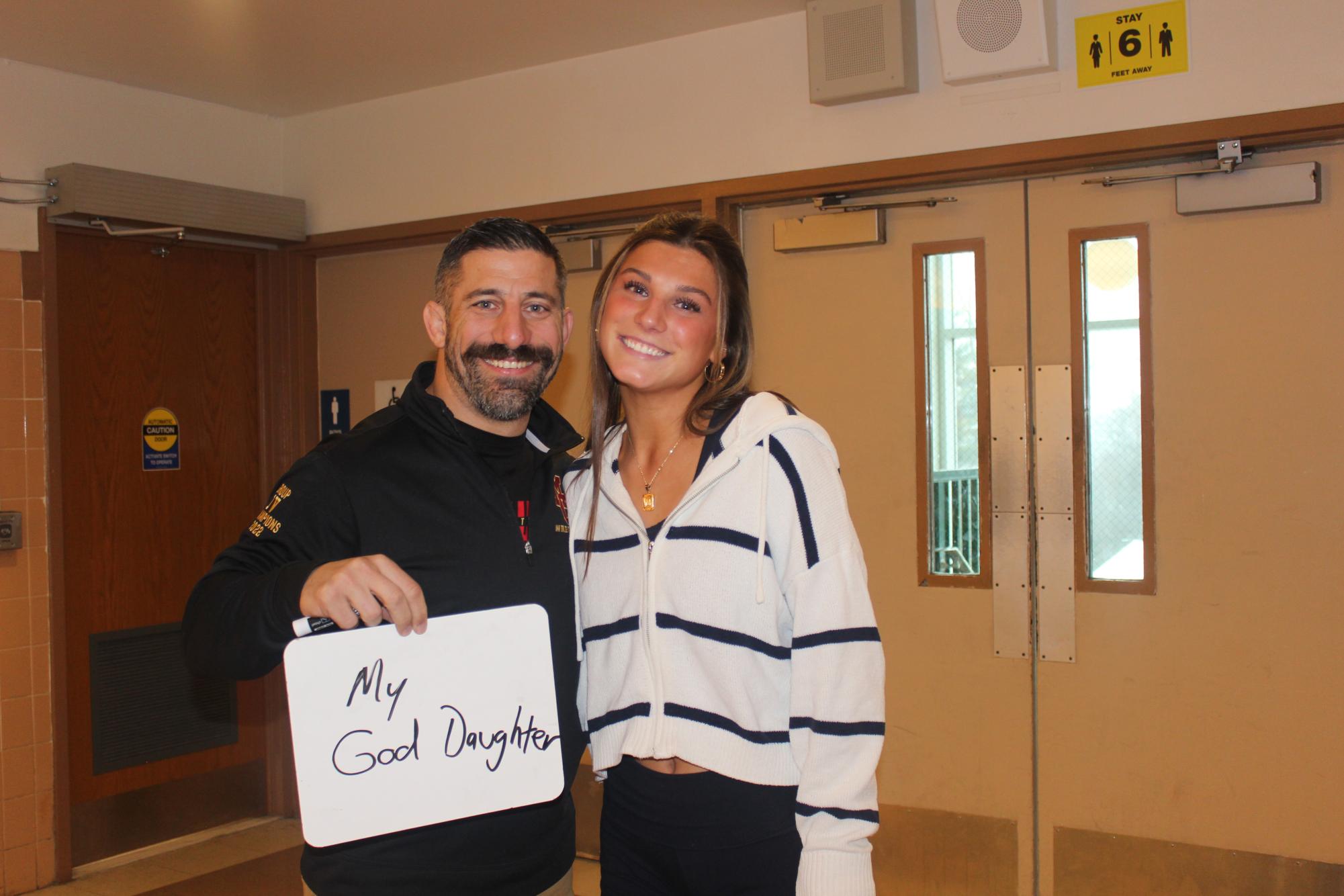
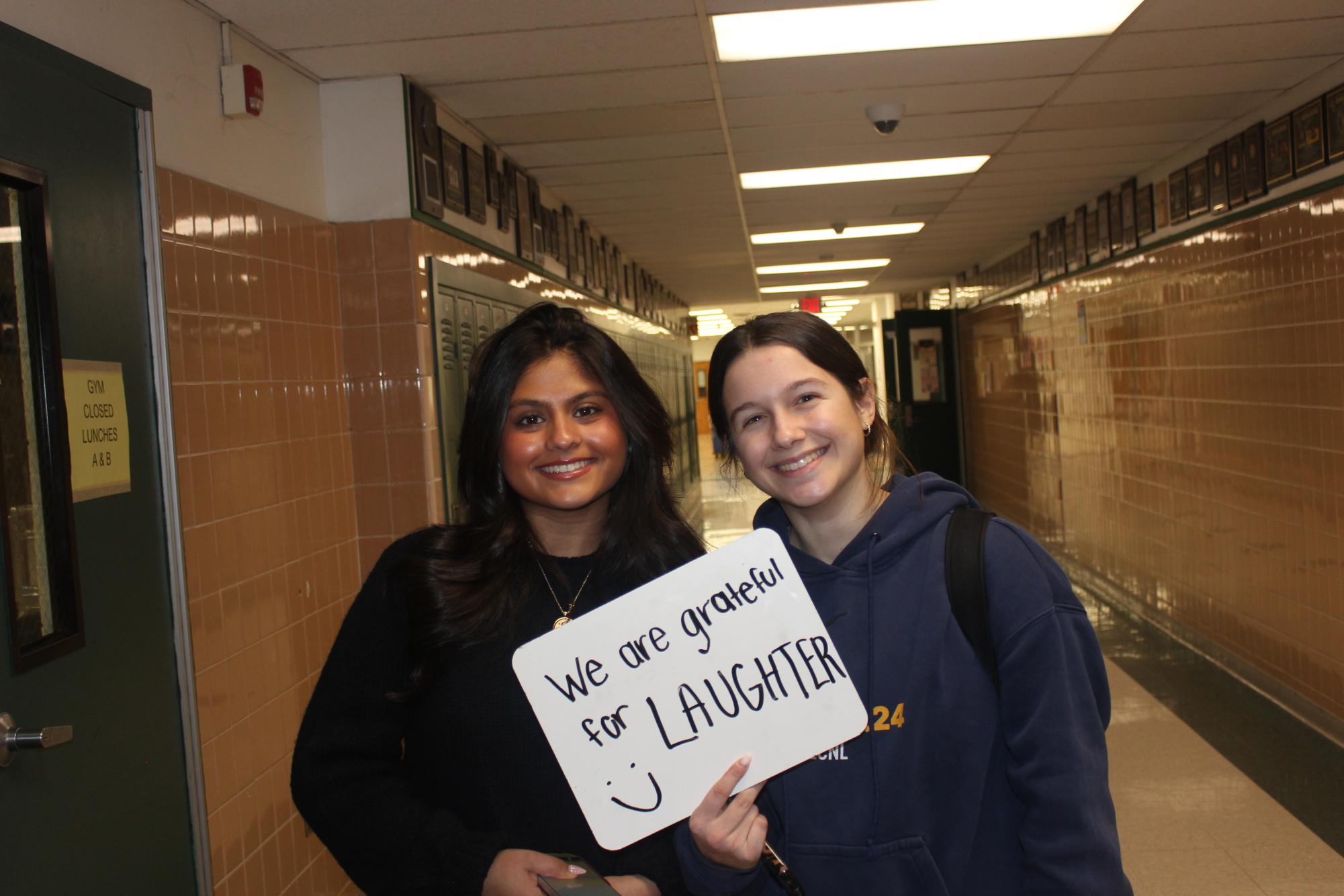
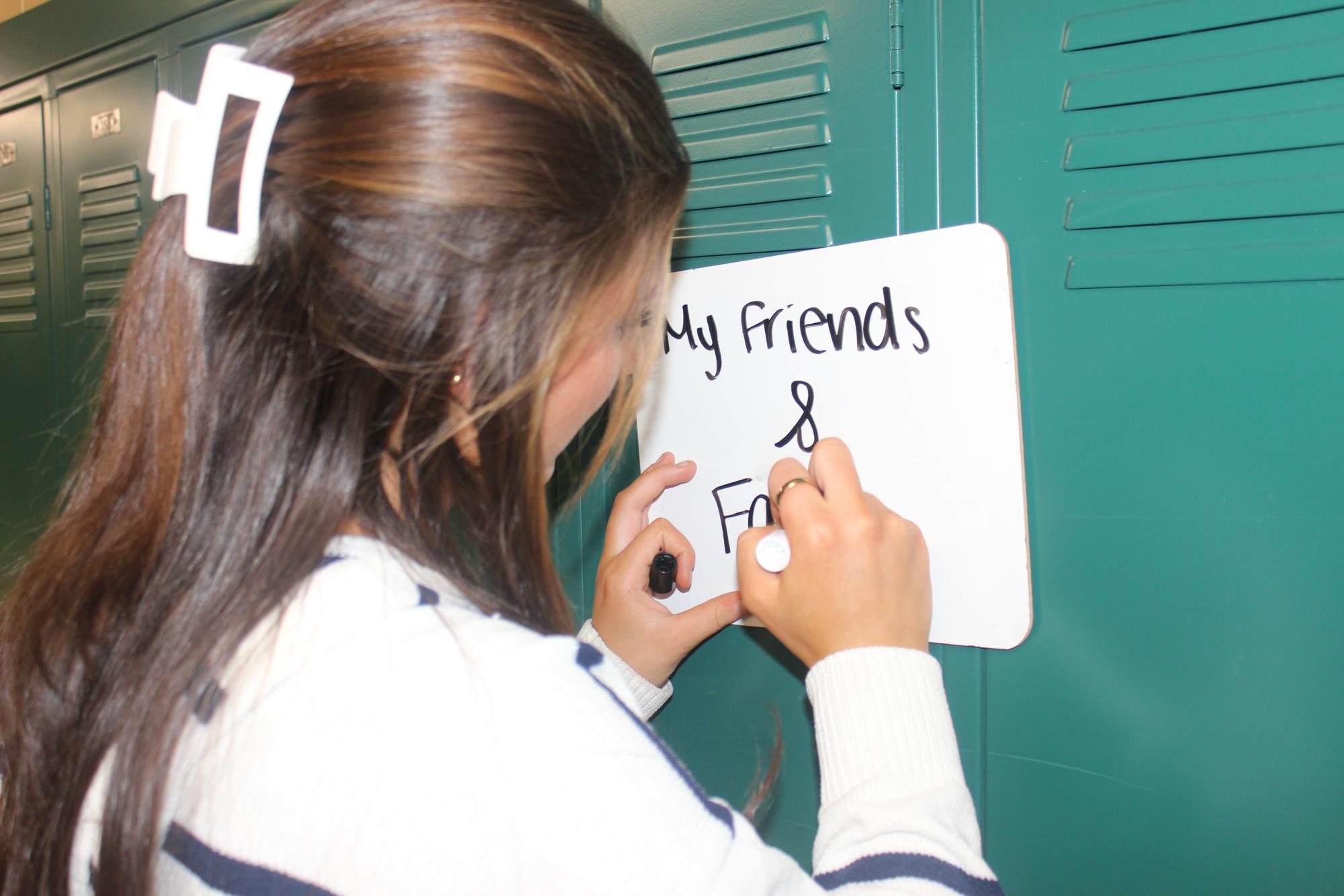
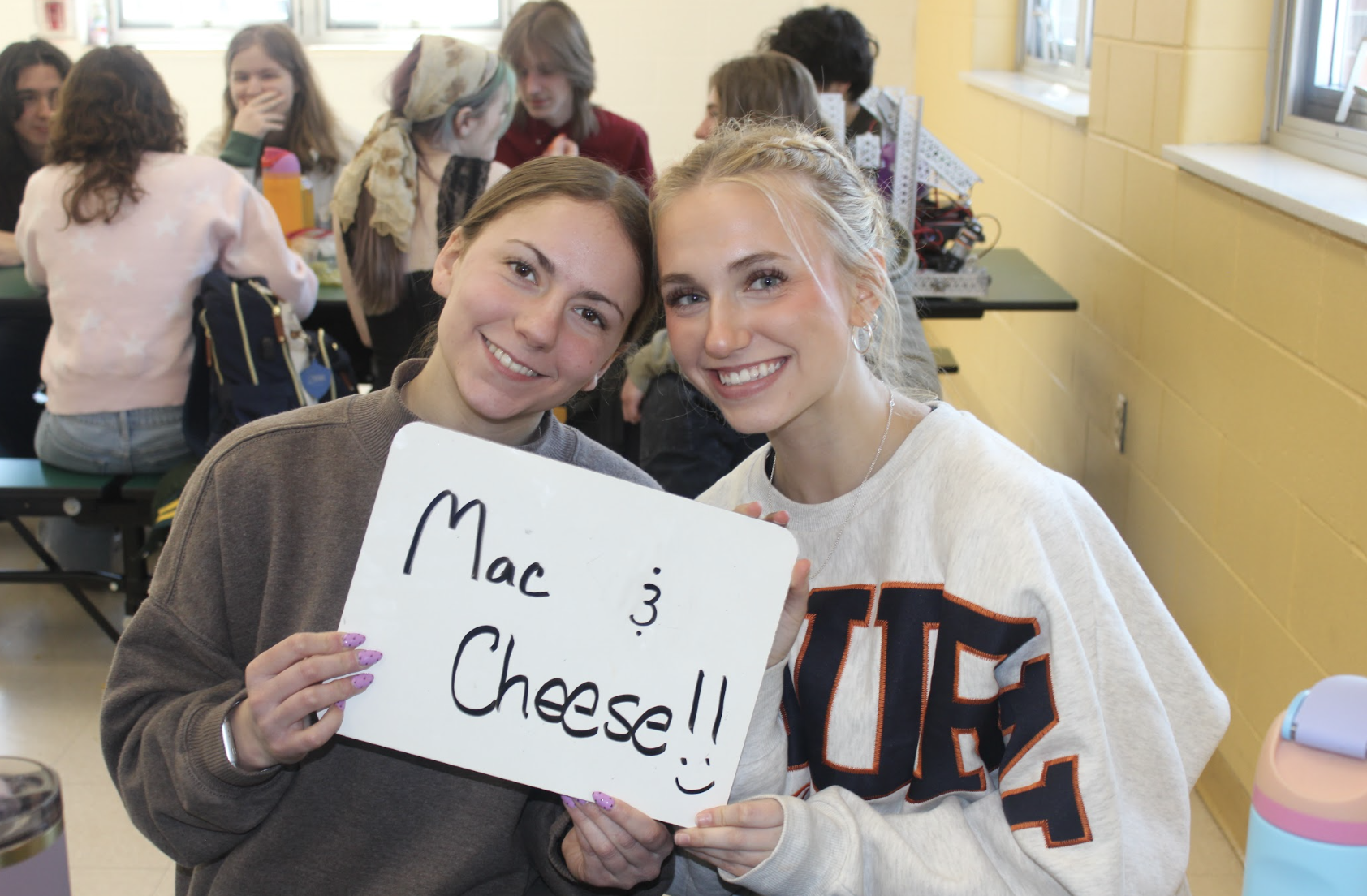
Additionally, school environments should strive to incorporate gratitude as a custom for students and staff. This can be done in various ways, from interactions such as sharing things they are grateful for, to creating appreciation walls, to something as simple as complimenting others.
As Mr. Hrynyk highlights, “I think the students and staff should all practice gratitude. If we could all just find one nice thing to say to someone everyday that will make a big difference.”
Gratitude is not powerful because it exists quietly in thought, but it is strongest when it is expressed, repeated and shared.